Personal Branding & Social Media
Category:
Design
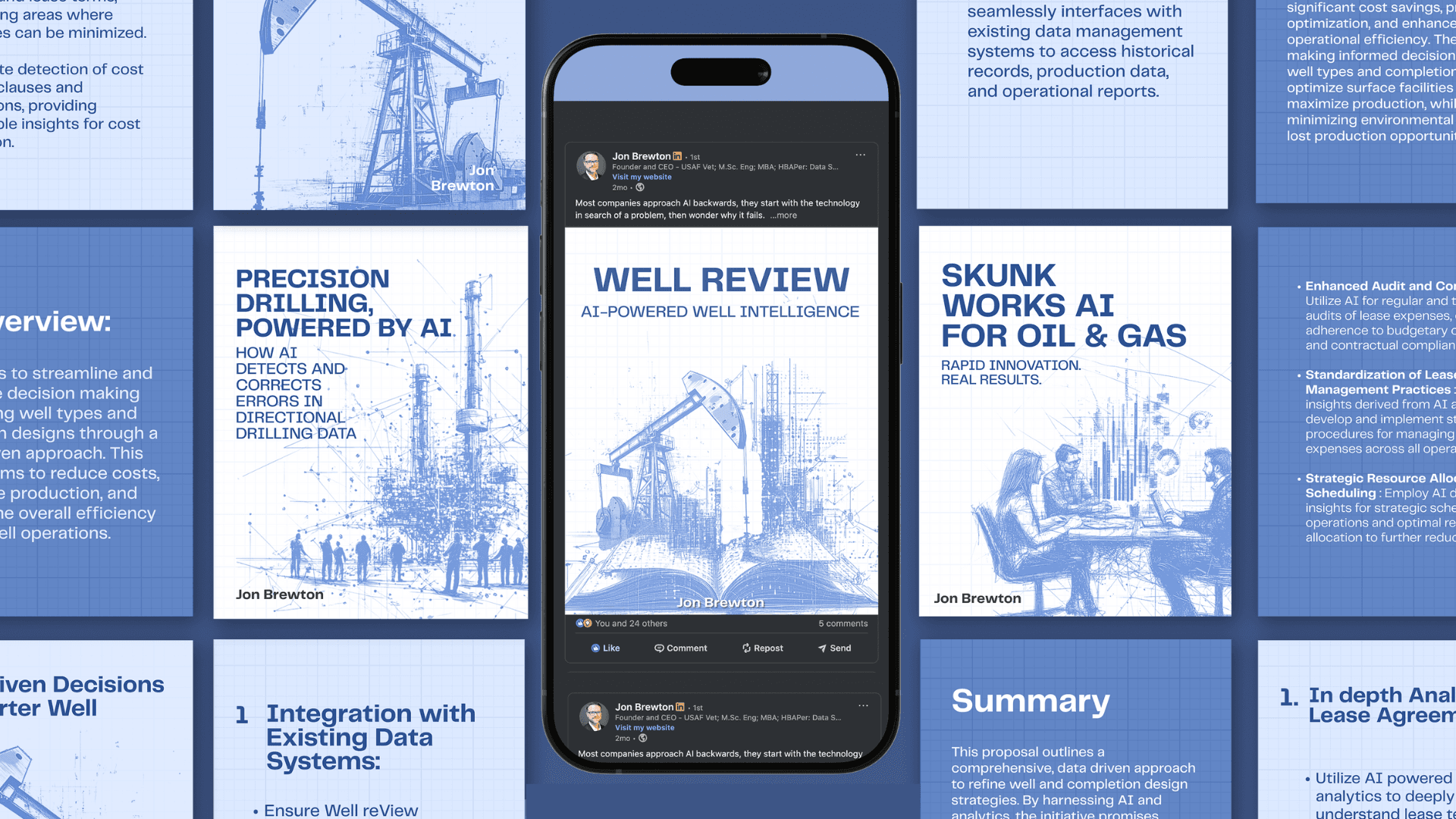
The Challenge
Making Content Understandable, Not Intimidating
In an industry dominated by dense terminology, technical diagrams, and insider knowledge, how do you communicate complex systems to an online audience?
The Strategy
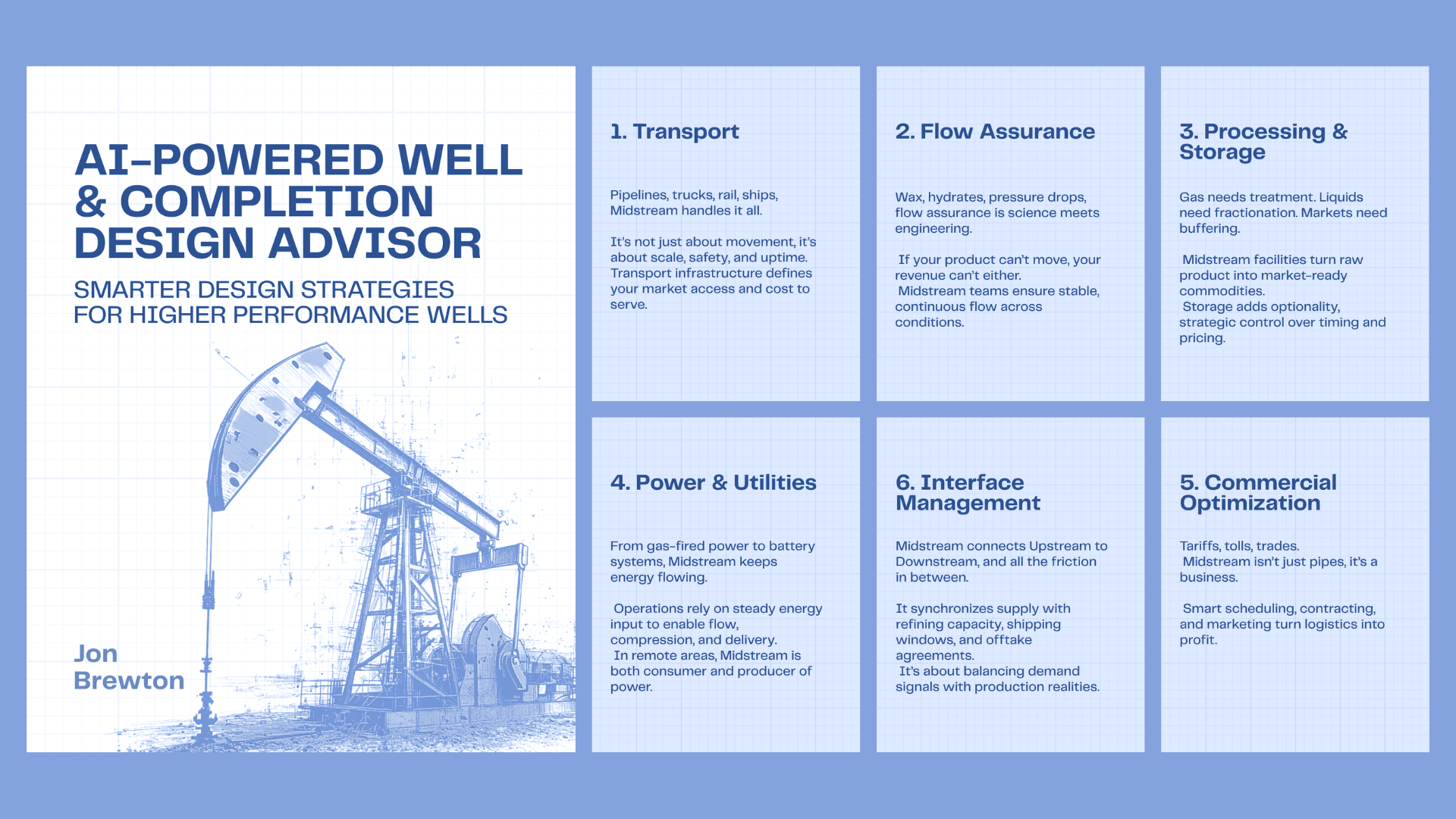
The approach was to simplify how people enter complexity, not the complexity itself.
Rather than presenting full systems at once, content was broken into fragments.
Each post focused on a single idea, building a larger narrative over time.
Designed for LinkedIn’s fast scroll:
A clear headline led every visual
supported by minimal, digestible context
structured for instant understanding
The Visual Language
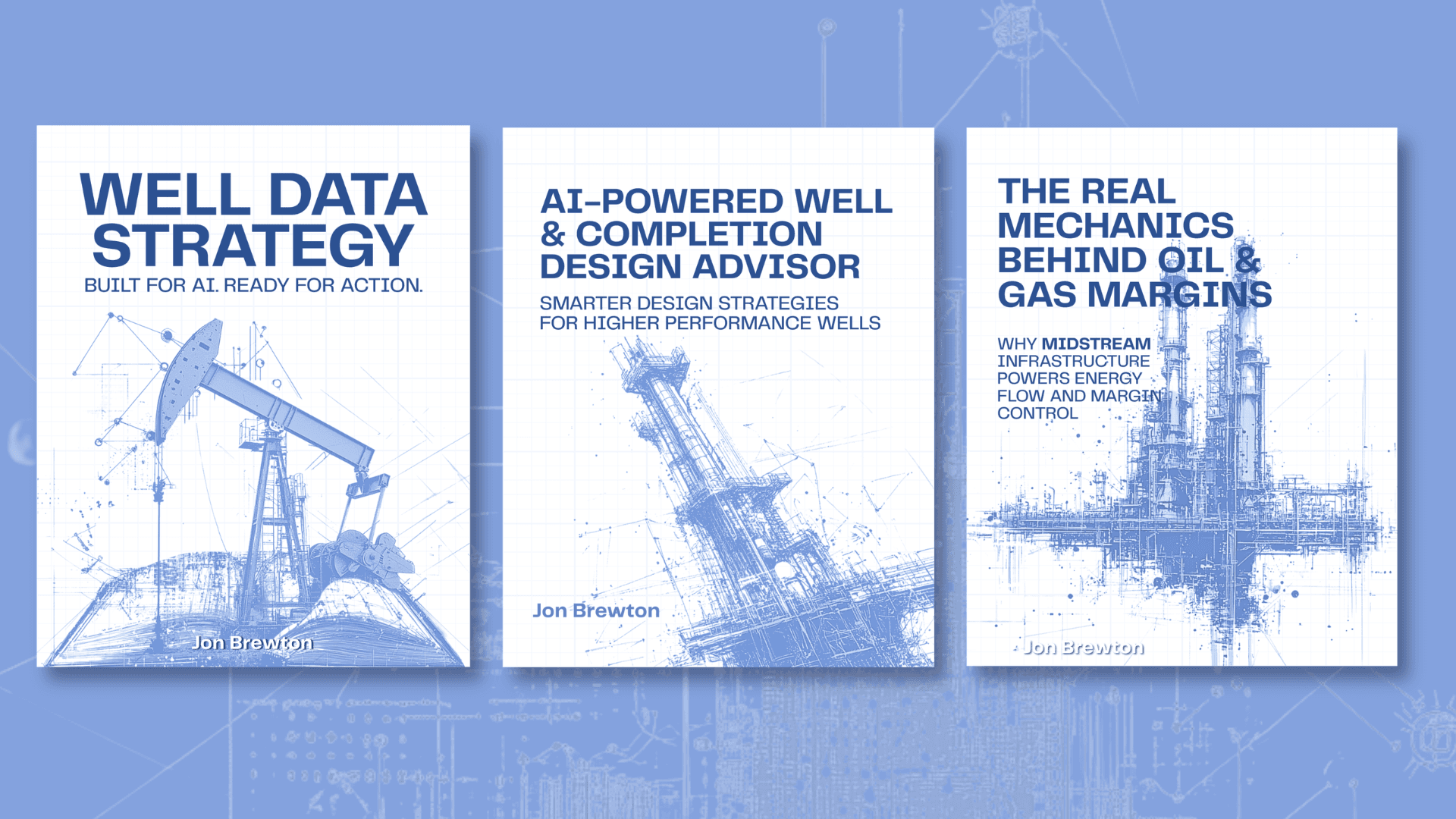
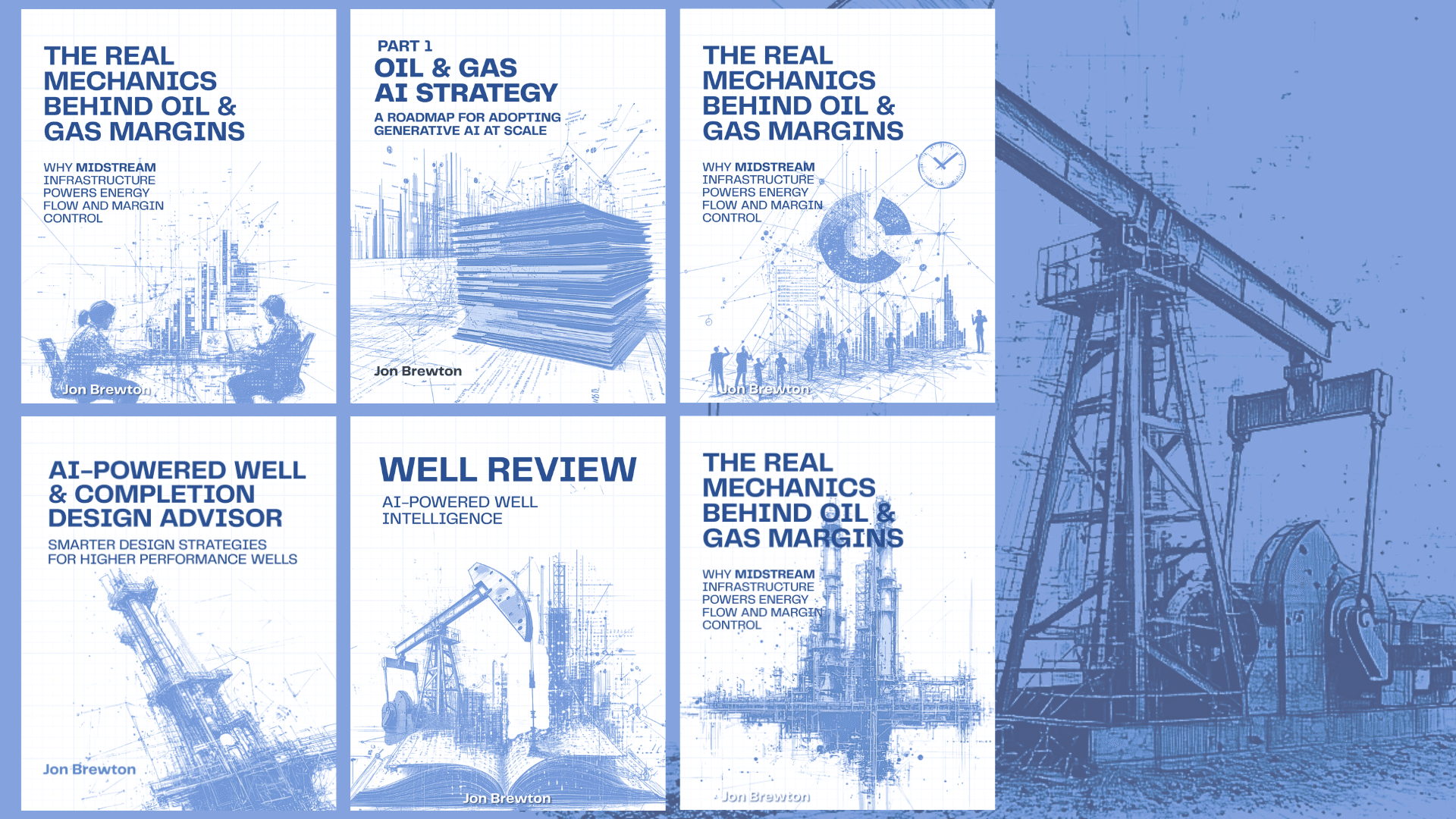
Sketch-Based Identity
Pencil-style illustrations introduced imperfection
Referenced engineering drafts and early-stage thinking
Made complex systems feel approachable and interpretable
Color & Space
A restrained palette of white + pale blue
Grid overlays to subtly evoke systems and structure
Generous spacing to reduce cognitive load
Modular Information Design
Information broken into cards, grids, and sequences
Each unit communicated one idea clearly
Encouraged swipe-based and sequential learning
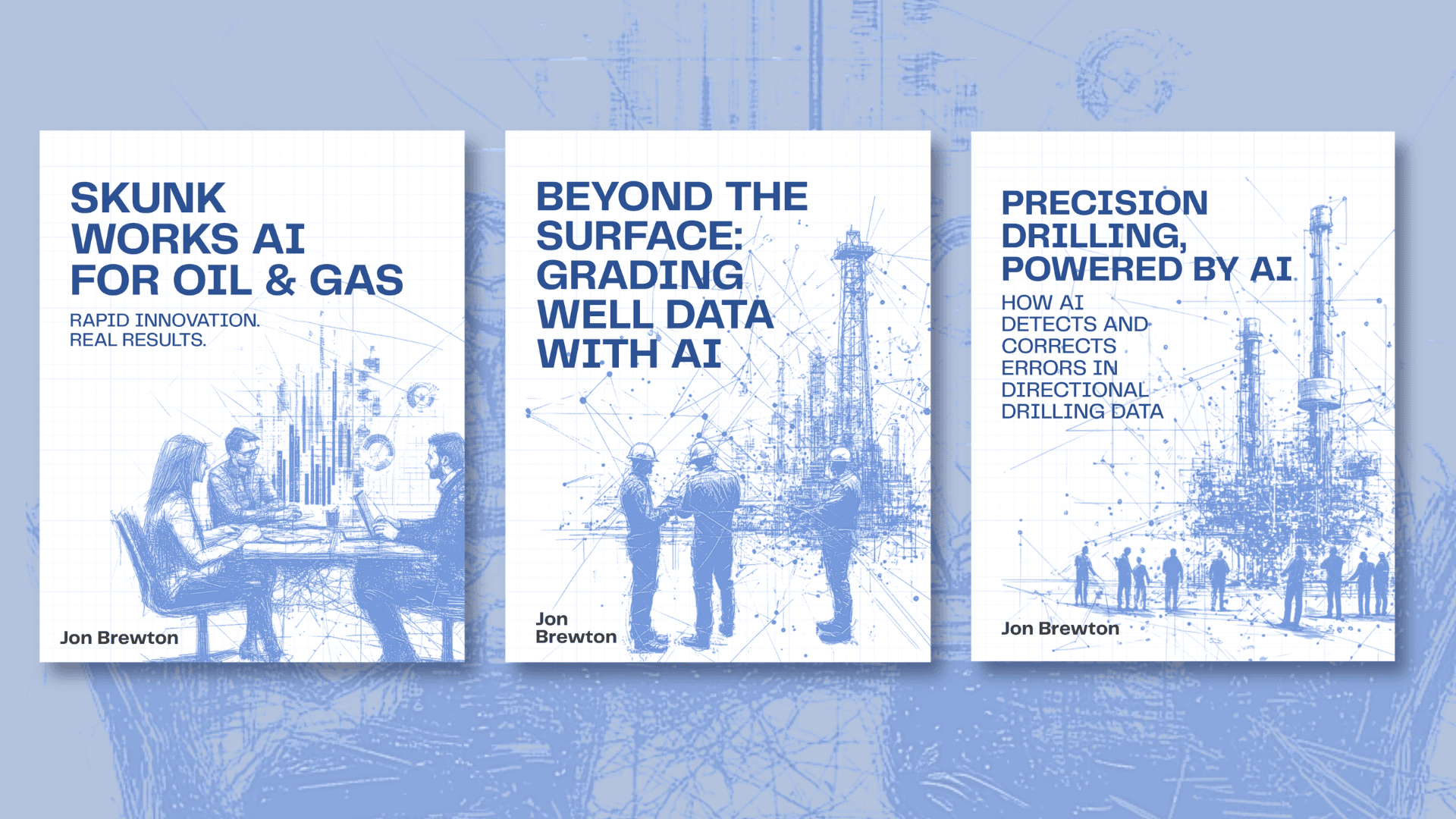
Each piece functioned independently, while contributing to a cohesive narrative ecosystem.
Impact
Established a distinct visual identity in a saturated AI/data space
Improved content accessibility and engagement
Enabled complex ideas to be understood in seconds, not minutes
Built a consistent, recognizable presence on LinkedIn
The Challenge
Making Content Understandable, Not Intimidating
In an industry dominated by dense terminology, technical diagrams, and insider knowledge, how do you communicate complex systems to an online audience?
The Strategy
The approach was to simplify how people enter complexity, not the complexity itself.
Rather than presenting full systems at once, content was broken into fragments.
Each post focused on a single idea, building a larger narrative over time.
Designed for LinkedIn’s fast scroll:
A clear headline led every visual
supported by minimal, digestible context
structured for instant understanding
The Visual Language
Sketch-Based Identity
Pencil-style illustrations introduced imperfection
Referenced engineering drafts and early-stage thinking
Made complex systems feel approachable and interpretable
Color & Space
A restrained palette of white + pale blue
Grid overlays to subtly evoke systems and structure
Generous spacing to reduce cognitive load
Modular Information Design
Information broken into cards, grids, and sequences
Each unit communicated one idea clearly
Encouraged swipe-based and sequential learning
Each piece functioned independently, while contributing to a cohesive narrative ecosystem.
Impact
Established a distinct visual identity in a saturated AI/data space
Improved content accessibility and engagement
Enabled complex ideas to be understood in seconds, not minutes
Built a consistent, recognizable presence on LinkedIn


